
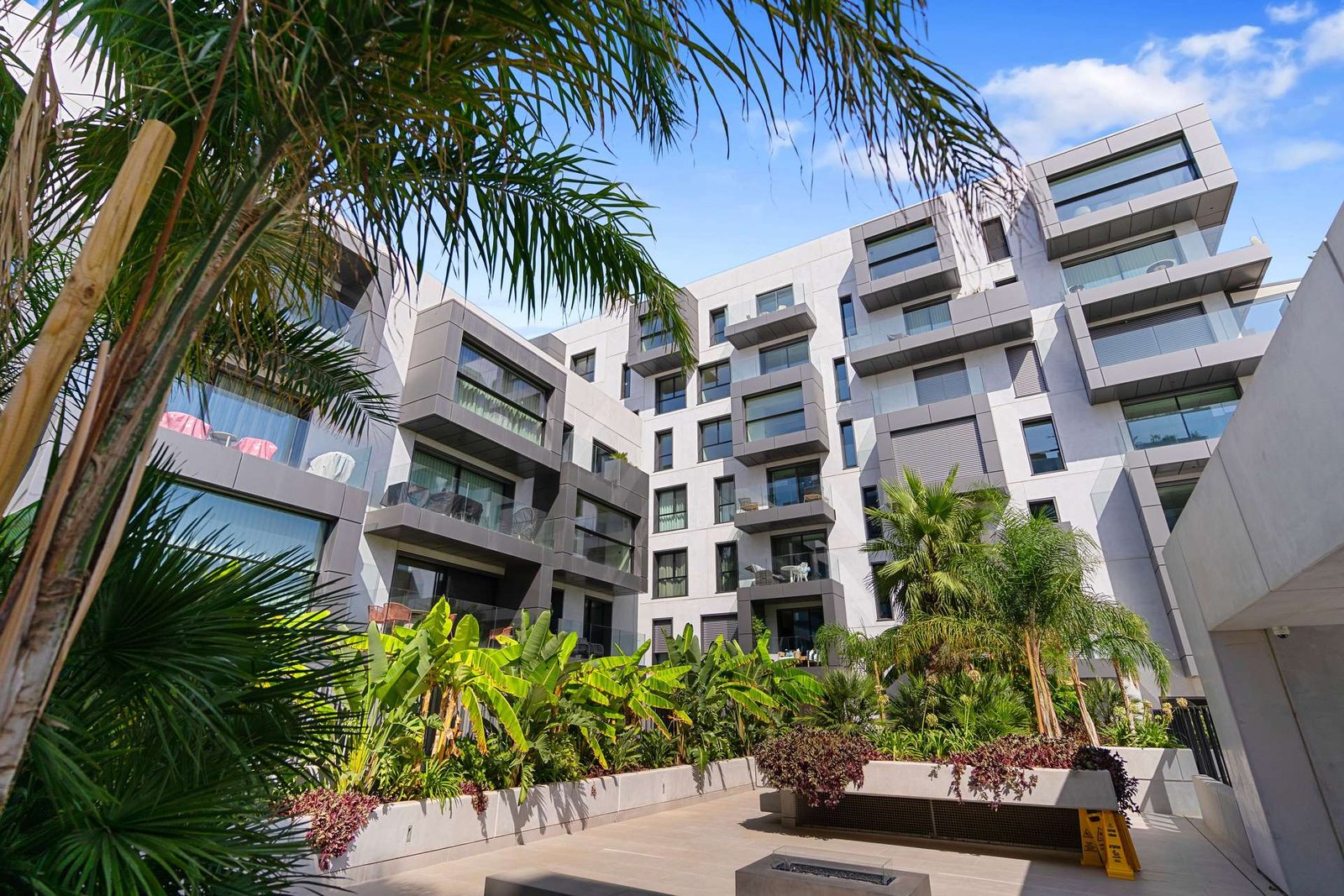
Buying property in Mallorca is a dream for many international buyers — whether as a second home, lifestyle investment, or long-term asset. However, the Spanish property system differs significantly from markets like Germany, the UK, or the US.
Understanding the process in advance is crucial to avoid costly mistakes and to secure the right property with confidence.
Below are the ten most important things every foreign buyer should know before purchasing property in Mallorca.
- Obtain Your NIE Number Early
The Número de Identificación de Extranjero (NIE) is a mandatory identification number for all foreign buyers in Spain. Without it, you cannot legally purchase property, open a bank account, or complete most financial transactions.
While it may seem like a simple formality, obtaining an NIE can take several weeks depending on the application route (local police station vs. consulate).
Professional tip: Start this process as early as possible or grant power of attorney to your lawyer to handle it on your behalf.
- Hire an Independent Lawyer — Always
In Spain, real estate agents often represent the seller. Unlike some other countries, there is no universal buyer-side protection built into the system.
A qualified, independent lawyer will:
- Conduct full legal due diligence
- Verify ownership and debts
- Review contracts and clauses
- Protect your interests throughout the transaction
Never rely solely on the seller’s lawyer or agent. This is one of the most common and costly mistakes foreign buyers make.
- Verify the Legal Status of the Property
This is particularly important in Mallorca, where many properties — especially fincas — have undergone extensions, renovations, or additions over decades.
You must ensure that:
- All built structures are legally registered
- The property complies with urban planning regulations
- There are no outstanding legalization issues
Illegal constructions (e.g., unregistered pools or extensions) can lead to fines, demolition orders, or restrictions on resale.
- Review the “Nota Simple” Carefully
The Nota Simple is an official extract from the Spanish Land Registry. It provides key information such as:
- Ownership details
- Mortgages or debts attached to the property
- Legal descriptions and boundaries
Your lawyer should review this document thoroughly to ensure the property is free of encumbrances and that the seller has full legal authority to sell.
- Understand All Purchase Costs — Not Just the Price
Many buyers underestimate the total acquisition cost. In Mallorca, you should typically budget an additional 10–13% on top of the purchase price, which includes:
- Property transfer tax (ITP) or VAT (for new builds)
- Notary and land registry fees
- Legal fees
- Potential mortgage costs
For higher-value properties, taxes can increase progressively — making accurate financial planning essential.
- Check Community Rules (Especially for Apartments)
If you are buying an apartment or property within a community, it is crucial to understand the community statutes.
Some communities:
- Prohibit or restrict short-term (holiday) rentals
- Have strict rules on renovations or usage
- Include shared costs (maintenance, security, pools, etc.)
Failing to review these rules can significantly impact your investment strategy — particularly if rental income is part of your plan.
- Financing in Spain Works Differently
Spanish banks apply different criteria compared to other countries. For non-residents:
- Financing is typically limited to 60–70% of the purchase price
- Approval depends heavily on documented income and assets
- The process can be slower and more documentation-heavy
Recommendation: Get pre-approval early or consider whether a cash purchase may give you a competitive advantage in a fast-moving market.
- Never Transfer Deposits Without Legal Review
Once you find a property, you will typically sign a reservation agreement or private purchase contract and pay a deposit (often 10%).
Before transferring any funds:
- Ensure all contracts are reviewed by your lawyer
- Confirm the legal status of the property
- Verify bank account details (fraud prevention is critical)
In Spain, deposits can be legally binding and difficult to recover if issues arise.
- Define Your Long-Term Strategy Clearly
Before buying, you should be clear about your objectives:
- Is this a lifestyle purchase or an investment?
- Do you plan to rent the property?
- Are you targeting capital appreciation or long-term use?
Mallorca offers very different micro-markets:
- Palma for urban lifestyle
- Southwest for luxury and liquidity
- Tramuntana for privacy and nature
- Southeast for value and growth potential
Your strategy should directly influence location, property type, and budget.
- Work With a Trusted Local Advisor
The Mallorca property market moves quickly — especially in prime segments. The best opportunities are often sold off-market or within days.
A strong local advisor provides:
- Access to off-market properties
- Realistic pricing insights
- Negotiation expertise
- A curated network of lawyers, banks, and service providers
In a competitive market like Mallorca, local knowledge is not optional — it’s a decisive advantage.
Final Thoughts
Buying property in Mallorca can be an incredibly rewarding investment — financially and personally. However, success depends on preparation, the right professional team, and a clear strategy.
Approach the process with the same diligence as any major investment, and you’ll not only avoid pitfalls but also secure one of the most desirable real estate assets in Europe.


Join The Discussion